Preparing for a Hunt: Your September 2026 Checklist
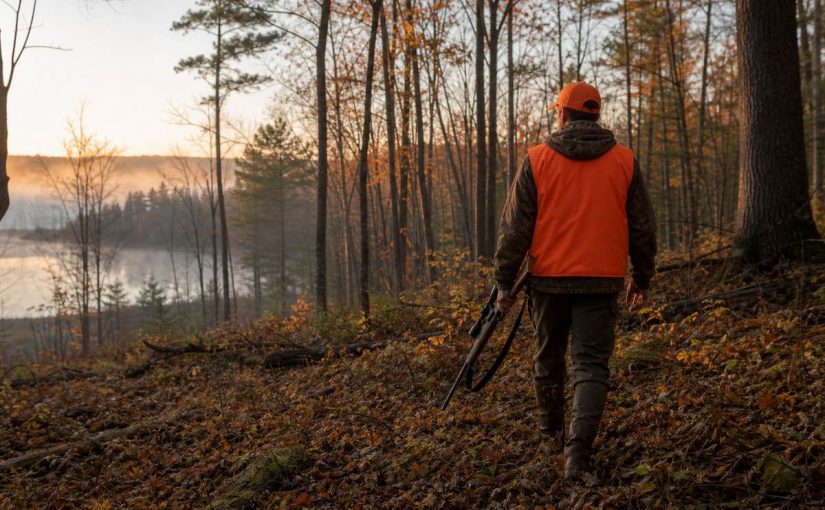
Hunting is not about the excitement of the moment; it is a serious promise to follow the rules and to act in a fair way. As you prepare for your hunt in September 2026 it is important to set guidelines about the rules, the laws and the tools you use. This preparation will make your time in the field better. Also show respect for animals and the place where you are hunting.
Setting Up the Right Sources Before You Leave
Before you start your truck take time to decide which place will help you if you have any questions about the rules. Even if you see a picture from a chat or a website they should not be the thing you look at. Laws about hunting can change a lot depending on the time of year the type of animal the place you're and the way you hunt. It is important to make a system that helps you check the rules choose the gear and make sure you do not harm the land.
Make a Short Guide from the Rules
The first step is to take the hunting rules and turn them into something easy to use. Start by looking at the place the kind of animal the dates and the ways you are allowed to hunt. Check with the group that takes care of animals or the group that manages the land. Look for any information or changes in access.
Do not use books even if they are ones you know. Rules can change so make sure to check just before you go. Put the date when you checked and save the pages you need for later.
Your notes should answer questions such as: What do you need to be allowed to hunt? What do you need to do after you catch an animal? Are there rules for land, private areas or special places? If you are not sure about any of these call the group before you leave. Remember: not knowing does not mean you are allowed to do something.
Picking the Right Tools
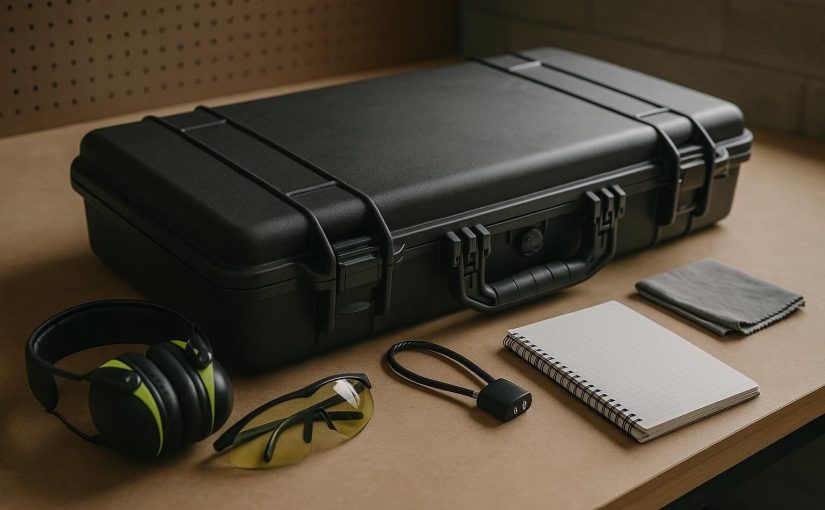
When you are putting things in your bag focus on the things you need. The right setup should include what you need to do the job and in a way that respects the land.
Start by making sure you have the tools to find your way. A map or an app that works when you have no signal is important along with a phone that is charged. It is an idea to have a way to find your way if your phone dies. Before you start hunting mark the edges of the land the places you cannot go and the way back to your car. This helps you avoid stepping on someones land and keeps animals safe.
Choose glasses that help you see the animal and the area around it before you decide to shoot. Dress properly for the weather and the ground. Do not forget things such as an aid kit, water, something to light up the dark and protection from the weather. These things can help you avoid making choices when things get hard.
Avoid buying things just because you think you might need them. If an item does not help with a problem make you safer or help you find the animal it might just be weight. Choose tools that you know how to use and that fit into your hunting plan.
Making the Right Choices While Hunting
The thing when you are hunting is not whether the chance is good; it is whether the situation allows you to make an right choice. Decide what you will look for before you go into the area. This includes being able to see the animal you're after having a safe place behind you to shoot from and making sure you have a way to find the animal after you shoot.
Remember to think about other things such as the weather and the people around you. If something is missing not taking a shot is a choice you make; this is not a mistake. It is a sign of hunting.
Your responsibility does not end when you make a shot. Follow all the steps for marking, carrying and telling others about the animal. Try your best to find the animal if it is hurt. Writing down what happened is important. If you cannot find the animal talk to the people for help.
When it comes to taking pictures using calls putting out bait or driving your car think about it in this way. Just because something is allowed does not mean it is right, for the animals the people who hunt or the land.
Taking Care of the Land While You Hunt
Caring for the environment is more than what you bring with you; it is the way you move through the place. I want you to be kind to the environment with every choice. Use the paths that already exist in places that're not strong or when the ground is wet. Making a path just to make your bag lighter hurts the land. Stay on the surfaces when you drive and always leave the gates and barriers as you found them.
Be careful with your actions when you are calling, looking or waiting; do not put pressure on people or on the animals. When you leave take everything you brought with you-trash, broken things and food wrappers. If you see something like trash or a blocked path tell the people who manage the land to fix it yourself.
Some people might think these steps are a hassle. I understand that. However they help keep the land open and stop rules that might stop hunting in the future.
Final Checklist Before You Go
A check can help you avoid problems before you start:
– Make sure the rules for your area the animals, the dates and the ways you hunt are up to date.
– Make sure you have all the papers, the permits and the ID you need.
– Know the edges, the roads, the places that are closed and the rules.
– Bring maps, lights, water and gear for the weather.
– Make sure your glasses and tools help you make choices.
– Plan how you will find the animal after you shoot and where you will go back.
– Think about how you affect the place with trash your car and the land.
This checklist is a reminder, not a replacement for help. Rules change often. New rules might come up before you go.
I think preparing for a hunt that's fair and right is not just about being ready; it is, about being careful and following the rules. Check any changes pack well and be ready to change your plans if needed. This way of thinking helps protect the animals, the hunting and the places where you enjoy the outdoors.